
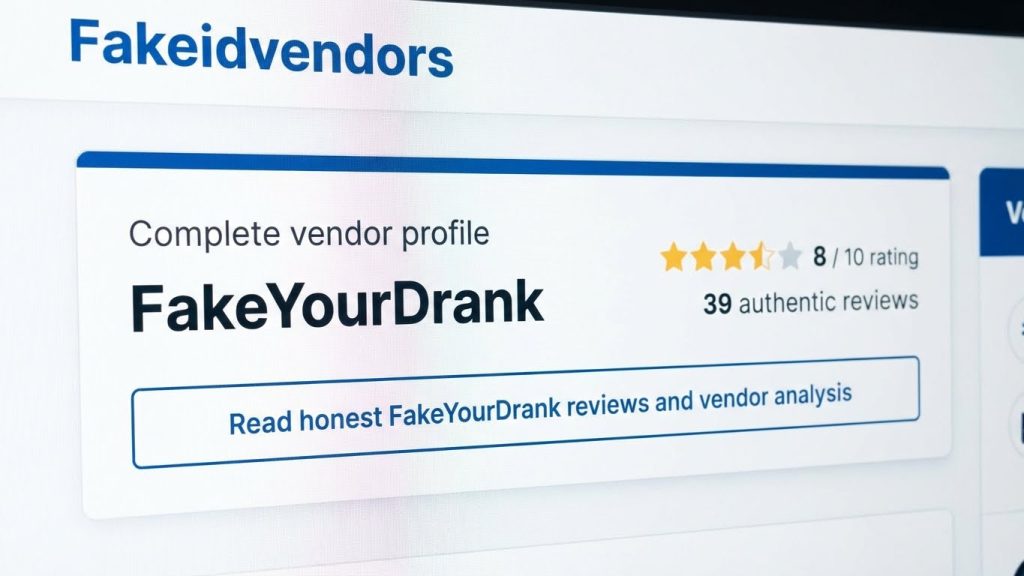
The internet is a fast-moving environment where new phrases, trends, and slang can appear overnight. One phrase that has recently gained attention in online searches is “fake your drank.” While it may sound curious or entertaining, this term highlights a significant reality: users are actively seeking information about online content, products, and authenticity.
Rather than promoting unsafe or illegal behavior, understanding this keyword provides an opportunity to discuss consumer protection, online awareness, and safe internet practices. This article explores the context of the keyword, potential risks associated with misinterpreting it, and ways users can stay safe online.
Why People Search for “Fake Your Drank”
Search trends often reflect curiosity rather than intent. People may look up “fake your drank” for various reasons:
- To understand internet slang or memes
- To explore trending content on social media
- To evaluate whether certain websites or products are reliable
- To learn more about online authenticity and safety
This growing interest shows that internet users are conscious of their digital environment and want to be informed.
The Risks of Following Unverified Online Trends
The digital world is full of viral content, some of which may mislead users. When individuals search for ambiguous or trending terms like “fake your drank,” they risk encountering:
- Fraudulent websites or scams
- Misinformation or misleading content
- Unsafe products or services
- Data privacy threats
Being aware of these potential risks is essential for anyone exploring online trends, particularly younger users or individuals unfamiliar with digital safety practices.
Consumer Awareness: The First Line of Defense
Understanding the difference between safe online behavior and risky actions is critical. Users should prioritize research, verification, and security before interacting with unfamiliar online content.
1. Verify Websites and Vendors
Always check for security indicators, such as HTTPS, verified contact information, and user reviews. Trustworthy platforms maintain transparency and clear policies.
2. Avoid Downloading or Sharing Unknown Files
Many online trends can include links or downloads. Only access content from reputable sources to prevent malware or data theft.
3. Educate Yourself About Online Trends
Understanding the meaning and context of trending keywords helps users navigate the internet safely. Forums, educational blogs, and official guides can provide insights without exposing users to risk.
4. Protect Personal Information
Never share sensitive information on unverified platforms. Identity theft and online fraud often stem from unsafe online interactions.
How Trending Keywords Reflect Consumer Behavior
Keywords like “fake your drank” indicate that internet users are becoming more engaged and inquisitive about online content. This curiosity provides an opportunity for content creators and educators to promote:
- Digital literacy
- Critical thinking about online trends
- Awareness of potential scams or misleading products
- Knowledge of safe online marketplaces
Rather than focusing on imitation or illegal actions, the keyword highlights the need for safer, more informed internet use.
The Role of Education in Online Safety
One of the most effective ways to combat risks associated with trending searches is education. Users who understand the digital environment are less likely to fall victim to scams or misleading content.
Educational content can include:
- Guides on verifying website authenticity
- Tips for protecting personal and financial information
- Advice on evaluating online reviews and sources
- Tutorials on spotting unsafe digital content
By focusing on education, trending keywords like “fake your drank” can serve as catalysts for improving overall consumer awareness and safety.
How Platforms Can Support Safer Online Experiences
Online platforms and marketplaces also play a critical role in promoting safety. Responsible vendors and website operators can:
- Offer clear and transparent product or content information
- Verify user-generated content and vendors
- Provide secure payment and data handling processes
- Share educational materials to guide safe online behavior
Such measures reduce the risks associated with viral trends and unusual keywords, helping users make informed choices.
Conclusion
The keyword “fake your drank” may seem like a trivial or humorous search trend, but it highlights deeper concerns about digital safety, consumer awareness, and online responsibility. By focusing on education, transparency, and verified sources, users can navigate online trends safely while avoiding potential risks.
Understanding trending keywords responsibly not only protects individual users but also promotes a healthier and more trustworthy online environment. In the end, awareness, education, and safe internet practices are the keys to staying secure in the ever-evolving digital world.
